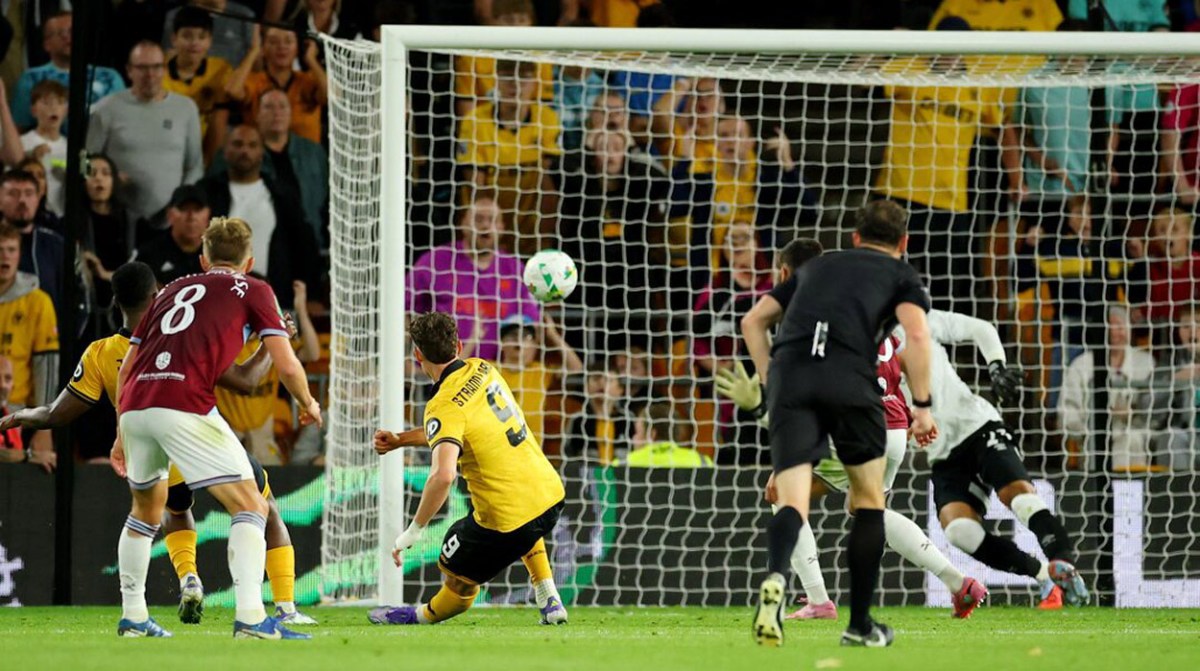
A wise man once proclaimed, “the truth of the battle is whatever the victor deems it to be.’ I’m not sure who it was, but probably some Chinese fella such as Master Po from the 1970’s Kung Fu TV series. In this spirit, significant swaths of the West Ham commentariat have deemed to interpret Saturday’s ‘comfortable’ 3 – 1 win against Portsmouth as an omen of a glorious Championship season to come. I fear this might be somewhat premature.
The reality of the performance was quite different. Although a pre-season friendly feel still hung in the air, the familiar fragile foibles of last season continued to haunt the London Stadium. A slow start, giving away possession, an inability to play through the lines, stilted movement, and a general lack of adventure. A repeat showing next weekend will result in a very unhappy return trip from East Lancashire.
Let’s remember that Portsmouth are a very average Championship side. They finished 18th last season and will most likely be in and around the lower reaches once more this time around. They looked tidy in possession but with (fortunately) little cutting edge. How and why were they able to dominate so completely for the first 40 minutes of the game is perplexing. Before the Hammers grabbed the equaliser, I believe they were trending at 65% possession.
In his post-match comments, Nuno praised the movement and combinations on show for each of the West Ham goals. But where had those attributes been hiding prior to the seven-minute goal blitz. A period where the best on offer were spells of pointless passing across the back – followed by hopeful punts up field once other options had been exhausted.
When Nuno is interviewed after games, he will frequently suggest that the way we play week in, week out is not what he wants. He is delighted by those brief moments where the team discovers its swaggers, where passing and movement spring to life, and confidence on the ball spreads through the team. Why then, do the players find it so difficult to deliver what he says he wants – and what, we must assume, he prepares them for? Do they not understand the instructions, are they scared to take any risks, is there no leadership on the pitch? How can the same plan fail in the same way with such monotonous regularity?
And what caused the sudden change of heart for those seven glorious minutes? The shock of going a goal behind? Or had someone spiked the hydration break water bottles with shots of concentrated Carabao Raspberry energy burst?
The idea of West Ham as runaway league leaders of the Championship built upon limited possession, scoring on the break, and lengthy periods of defensive game management seems highly implausible. A speculative long shot even though my knowledge of the breadth and depth of quality in the Championship is largely unknown. I just don’t see a quick return to the top level in prospect without a significant boost to the squad’s resources over the remaining days of the transfer window.
It is never ideal to leave most of your transfer business until after the season has started but it is a habit that has proven hard to break. The players yet to leave may be just as important as the new recruits as the club endeavours to manage its shaky finance, comply with the new squad ratio rules and buy a new drive belt for the broken fax machine. As a minimum, I expect we are hoping to offload the attitudes and costs of all three of Todibo, AWB and Fullkrug before the end of the month. Incomings must then address the most pressing gaps in what remains a dangerously sketchy squad.
My simple view when assessing players is that they must primarily be competent in fulfilling the basic purpose of their role. It’s no use being the greatest keeper with the ball at your feet if your handling is weak and you cannot dominate the area. Futile being a ball playing centre half or marauding full back if you don’t have the bravery or positional nous to the fundamental defensive duties. Pointless running around all day, huffing and puffing as a forward if you’re not scoring goals or providing assists. Sadly, we fall down in so many positions. Astute prioritisation and a process of make do and mend will be of over-riding importance.
If it was my decision, creative midfield and wide left would top the list followed by striker and centre back reinforcements. Hopefully, each of these can be satisfied even if it means some are loans from Premier League clubs.
We should forget to mention that there were some decent performances on Saturday. Taty and Jarrod Bowen showed they are sure to score goals at this level – and plenty of them given the right service. KWP did well and we saw flashes (but not the whole of the moon) from Lewis Orford and Mo Kante. I’d hope to see more of the latter pair but doubt they can yet be relied upon to carry the midfield through a gruelling 46 match season.
Listening to Nuno speak, I often detect an air of Master Po’s eastern mysticism in his persona. It would be entertaining and just as informative if he injected a hint of far-eastern philosophical nonsense into his press conferences. Reporter: “Jacob Waffle, Stratford Examiner, will you continue with the same ultra-cautious approach to games in the Championship that we saw last year in the Premier League?” Nuno: “Seek not to know the answers, but to understand the questions, Grasshopper”.
It’s worth a try and would make about as much sense as the usual answers. COYI!