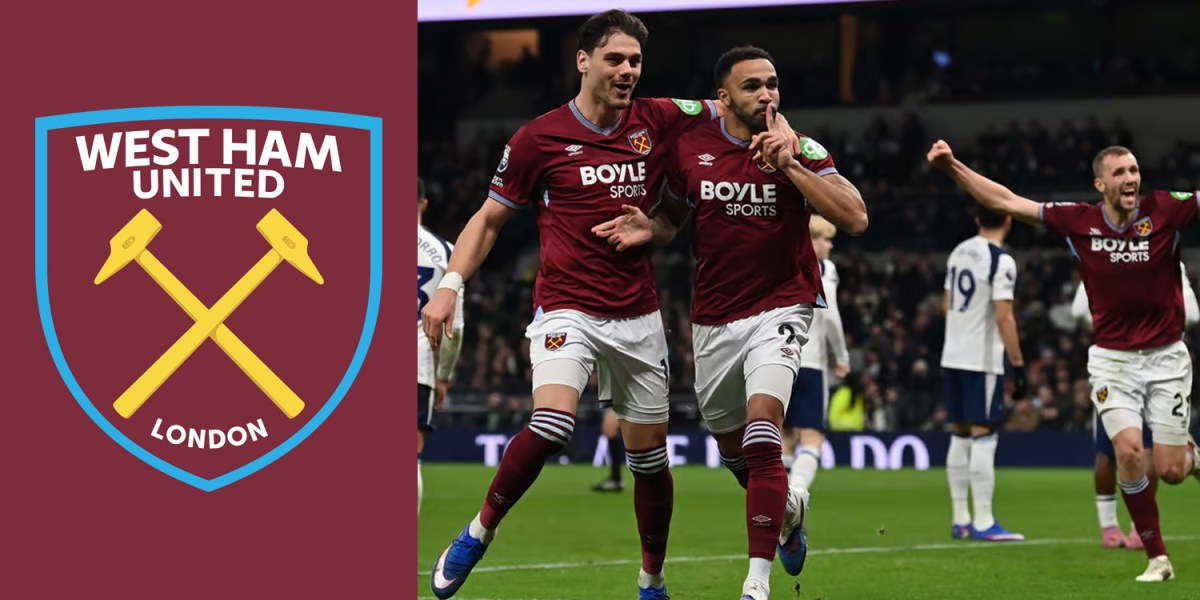
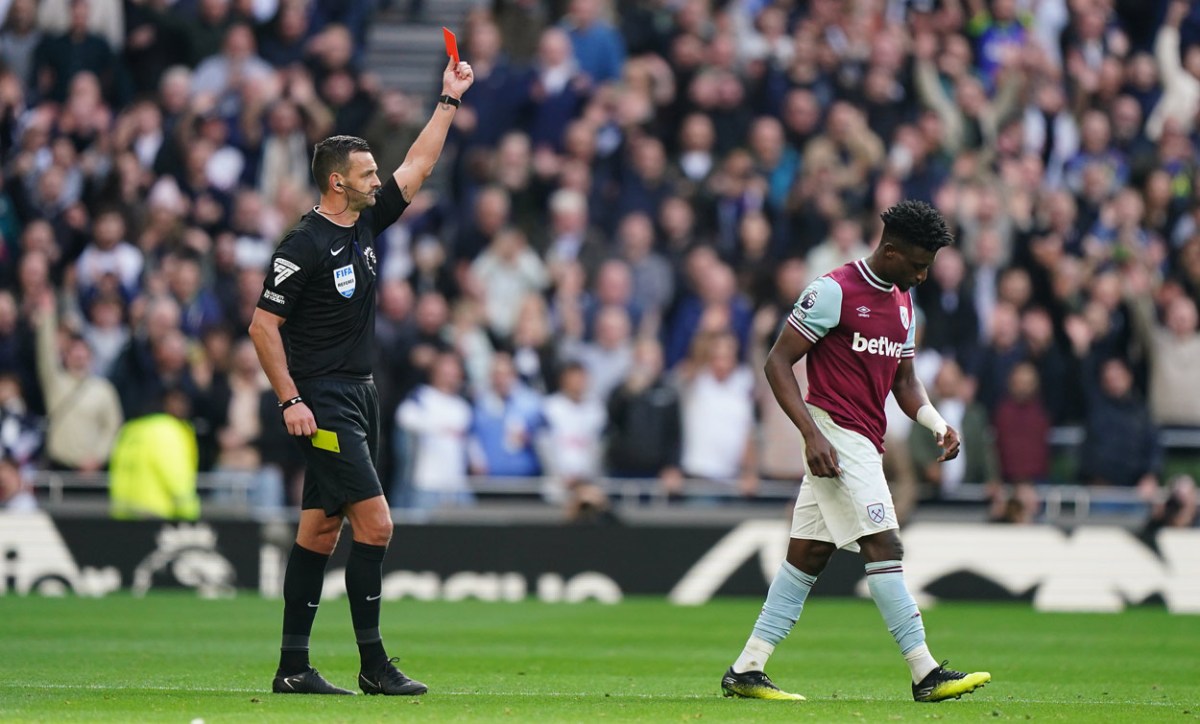
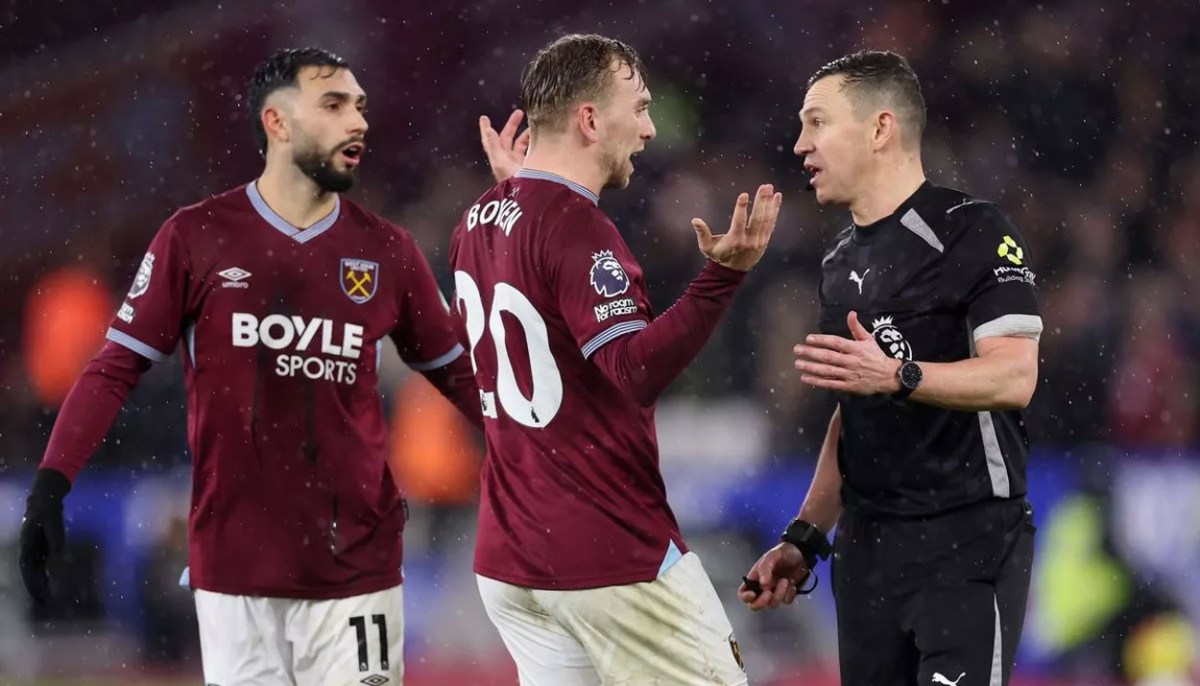
London’s Underachievers Collide. But with a gap that’s becoming too wide, and no place to hide, can West Ham turn the tide and be the better side when they visit Tottenham?

This London derby is usually a tense affair, with both clubs under immense pressure. Tottenham sit 14th in the Premier League, while West Ham are 18th and very deep in relegation trouble. Both managers, Frank for Spurs and Nuno for West Ham are under scrutiny, and defeat could have serious consequences for either side’s future, although Tottenham are not as deep in the mire as we are. Historically, Tottenham have the edge in this fixture, but both teams are struggling for form and confidence.

Tottenham are winless in 2026, with only one win in their last seven games. Their home form is poor, with just two wins in their last ten league matches at the Tottenham Hotspur Stadium. They were recently knocked out of the FA Cup by Aston Villa. West Ham are winless for even longer, in our last ten Premier League matches in fact, where six have been lost and four drawn. We are seven points adrift of safety, an almost but not yet impossible position. We cannot afford to fall any further behind and need to start closing the gap on teams above us quickly if we are to have any hope of avoiding the drop. Our only recent win came in extra time against QPR in the FA Cup. Defensive frailties are a major concern, with no clean sheets in 19 matches.

Tottenham will be without Richarlison (hamstring), Kudus (thigh), Kulusevski (knee), Maddison (ACL), Bentancur (hamstring), and Sarr (AFCON). Bergvall is also a doubt.  New signing Conor Gallagher is available and could debut, Romero returns from suspension. And both Solanke and Udogie are back in the squad.

West Ham will be without Mavropanos (neck), and Diouf (AFCON). Paqueta is doubtful (back, and supposedly unsettled anyway, did I read correctly that he has only provided one assist in the last two seasons?), and Fernandes (don’t think I’ve read why). Wan-Bissaka returns from AFCON and is likely to start at right-back. Kilman will probably partner Todibo in central defence?

Tottenham have struggled to score and win at home, but (I hate to say it) have a slight edge in quality and squad depth. Six of their seven league wins have come with a clean sheet. Their defensive record is shaky, but the return of Romero could help.

Our defensive issues are glaring, especially from set pieces (most goals conceded from corners in the league, a fact that we constantly are reminded of with every corner we concede when shown on TV). We have lost all six London derbies this season and have not won away in 11 games. However, clutching at straws, Nuno has a good personal record at Spurs’ ground from previous roles.

Most experts predict a narrow Tottenham win (2-1 is a common scoreline), but a draw is also seen as plausible given both teams’ struggles. This is really based on Tottenham’s home advantage, West Ham’s defensive woes, and the psychological pressure on both managers.

There is a real sense of crisis and frustration for the fans of both clubs, but more so for us as relegation is now an odds-on probability. I can’t remember where I read of the fixture being described as “The Underachievers Derby,” but it is very true with both sets of fans desperate for a positive result but realistic about the limitations of the teams this season. There’s also the continued speculation about managerial changes and the need for squad rebuilds at both clubs. How long have we needed a squad rebuild at West Ham?

In summary we head to the Tottenham Hotspur Stadium desperate to halt a winless Premier League run and close the gap on safety. With defensive frailties exposed and relegation looming, the pressure is mounting on Nuno and the squad. Injuries and absences have left the team stretched, but the return of key players may offer a glimmer of hope, especially as Tottenham are missing some key players. Despite a poor record in London derbies and away matches, we know that tightening up at the back and showing resilience could make a difference in this high-stakes clash. All of us as fans are craving a turnaround, but realism tempers expectations as we fight for survival against fellow underachievers. But unless we start to close the gap soon relegation will become an inevitability well before the end of the season, and this is the type of game where we must pick up something if we are to stand any chance of playing in the Premier League next season. It’s looking pretty hopeless isn’t it, but I try to be as optimistic as I can.

West Ham Midweek: Claret Ribbons, Going For A Burton, Lucas-Aid and the Saturday El-Sackio

The FA Cup interlude provided a brief and welcome respite from the depressing gloom of Premier League reality. Drawn away to Burton Albion in the 4th Round may keep the Wembley dream alive a little longer. But the stormy waters of relegation remain as threatening as ever

She Wore A Claret Ribbon Round The Ole Oak Tree

Things that just won’t go away usually elicit negative connotations. Think bad pennies, cockroaches, unpleasant smells, nasty rashes and David Sullivan. The FA Cup is the polar opposite to this. Despite the best efforts of the money men to diminish its importance, the magic of the cup continues to resonate and conjure up memories for all true football fans. Banana skins, underdogs, the Leatherhead Lip, the sloping pitch at Yeovil, Ronnie Radford and Bob Stokoe all come to mind. Even better (at least in the early rounds) it is free from the spontaneity destroying abomination of VAR.

This season, the FA Cup is our safe space. An oasis of unburdened calm and hope that frees us from the anxieties of impending relegation. Season 2 of Avram Grant’s Unlikely Cup Runs. While the fat lady might still be preparing to sing, this time it’s an upbeat number about wearing claret ribbons in the merry month of May.

Needing extra time to see off QPR in rather unconvincing manner on Sunday, the ping pong balls bounced kindly for West Ham with a 4th Round away tie at League 1 strugglers, Burton Albion. A first ever meeting with the Staffordshire club. A terrific draw, on the face of it, provided you take the stance that past West Ham cup upsets are not indicative of future results. Sub-editors up and down the country will already have the Gone For A Burton headlines ready and waiting.   

We Beat a Mush from Shepherds Bush

I watched a video on Youtube last week explaining the tactical changes deployed by Daniel Farke to turn around Leeds United’s season. It involved switching to a back five, playing two strikers and freeing up one of his midfielders to be always available as the out-ball. I couldn’t help but wonder if Nuno had seen the same video once the Santo Wheel of Fortune dropped it’s latest team selection prior to kick-off. The returning Aaron Wan-Bissaka came in at right wing-back with Ezra Mayers preferred to Oliver Scarles on the left. The out-ball roll was assigned to Soungoutou Magassa who was either ill-equipped or ill-prepared to deal with the more advanced role, the assist for the opening goal apart. Up-front, it all got quite confusing. Rather than a Farke 3-5-2, it played out as a Nuno 3-4-3 with Jarrod Bowen and Crysencio Summerville preferring to stay wide instead of getting closer to Taty Castellanos up front. Having both wingers and wing-backs on the pitch was a very unusual tactical interpretation.

Unfortunately, fate intervened to prevent Nuno’s master plan from unfolding completely after Dinos Mavropanos was forced off with a neck injury late in the opening half. This saw the introduction of Pablo Felipe and a tactical reshuffle to a traditional back four. It was pioneer territory to see two West Ham strikers on the field at the same time, but their frequently overlapping orbits caused more confusion than it did threat. Hopefully, this is an issue that time spent working together can overcome.  

A Gun Without Bullets is Just a Hammer

With an attack minded quartet of Taty, Pablo, Bowen and Summerville on the pitch, the Hammers should have been peppering the QPR goal from all angles. That it didn’t happen was down to glacial pace of build-up play and the absence of any creative spark behind them – someone to provide the ammunition. Passes back and forth between centre-backs might look good on the possession stats but all it does is allow the opposition to recover their defensive shape.

When Declan Rice left, three things went with him – and have yet to be replaced. Leadership, athletic defensive cover in the centre of midfield, and someone capable of powering past opponents with the ball at his feet. The last point is key to my mind. As much as attacking and defensive reinforcements were sorely needed, a massive creative gap remains in the West Ham midfield. Short passing triangles are ineffective against well organised defences and can easily be countered. More often than not, passes eventually go astray, possession is conceded and an opposition counterattack launched.

Following a positive start to his West Ham career, Freddie Potts is in danger of becoming the latest to follow in the footsteps of late career Mark Noble and JWP in the society of pointless sideways passers. Stay strong and resist, Freddie.

There were, however, a couple of bright spots in the game; notably the committed performance of Summerville and Taty’s powerfully headed goal. Yet, these are caveated by the quality of the opposition – a solid but largely unspectacular mid-table Championship outfit. A glimpse of seasons yet to come perhaps.

Lucas-aid. Not Aiding Recovery

Brazilian footballers continue to have a special aura about them. Animpression that historic success and the roll call of legendary players somehow guarantees success, flair and sublime ball control to all who follow. The reality can be disappointingly different. And nowhere more so than in the West Ham career of Lucas Paqueta whose reputation largely hinges on one through ball in Prague. Sadly, as the occasional flashes of inspiration have diminished, the play-acting, inconsistency, moods, rash challenges and wayward passes have escalated. Even at his best, his contribution has been fleeting rather than as the all-round playmaker we needed and had been hoping for.

There is no sound reason not to let him leave in the January window if another club is willing to stump up the cash. Fighting to retain a Paqueta who does not want to be here and who apparently asked to be left out on Sunday is a desperate and misguided hill to die on.

Let’s just raise some funds and re-invest it on a half-proficient attacking midfielder. Someone able to provide the bullets for the strikers to fire.  

Back to Earth, Back to Reality

It’s a return to league action on Saturday with this season’s version of the El Sackio at the Tottenham Hotspur Stadium. Both managers living under the now routine threat of n games to save their job.

Transfer window gossip moves on apace and there’s always an outside chance that new arrivals will in place for the weekend. But is it all too late? The optimistic view is that there are still 51 points to play for. The pessimistic view is the league table – 21 games played and 14 points.

A character in Ernest Hemingway’s novel The Sun Also Rises is asked how he went bankrupt. “Two ways. Gradually, then suddenly” was the reply. This is the West Ham story, and I doubt there is any way back this time. As supporters, we have seen and predicted the steady decline for many months. But the owners chose not to see it. No strategy, no way forward and nothing being built for the future. The sole objective of survival ruined by the promoted clubs refusing to be useless. The luck has run out. COYI!

Margins, magic and misery; lines, laws and lost causes; offside, out of luck and out of time? West Ham’s fight for survival and the FA Cup’s fading romance

I’ll start by looking back at the Forest game in the week. West Ham thought they had doubled their lead early in the second half when Crysencio Summerville scored, but VAR intervened and ruled the goal out for offside. The controversy centred on Taty Castellanos, who was deemed offside in the build-up. The confusion for fans and pundits was heightened because the ball reached Castellanos after a block tackle by Forest defender Nikola Milenkovic. According to current offside law, a defender’s block or tackle does not reset the offside phase unless it’s a “deliberate play” (i.e., a controlled pass or clearance). In this case, Milenkovic’s intervention was not considered deliberate, so Castellanos remained offside, and the goal was disallowed. I would disagree. I believe that the intervention was deliberate (if it wasn’t deliberate then why was he trying to win the ball?) and that the goal should have stood.

Former referees and experts have criticised this interpretation, arguing that the law is too technical and fails to reflect the spirit of the game. The exact moment the ball is played is also notoriously difficult to judge, especially with frame-by-frame video, and the difference of a split second can mean a player is onside or offside by millimetres. The interpretation of deliberate or uncontrolled intervention is also impossible to judge. Surely it is deliberate if the defender is trying to win the ball?

The offside law was originally introduced in the 19th century to prevent “goal hanging”—players loitering near the opposition’s goal waiting for a pass. Over the years, the law has been revised several times (notably in 1925 and 1990) to encourage attacking play and make the game more exciting. However, the law now hinges on technical definitions of “deliberate play” and “active involvement,” which can be difficult to interpret even with video technology. Many (including me) have argued that it should be amended even further to the attacking team’s advantage. This could easily be done by introducing the clear daylight rule in that there has to be a gap between the attacker and defender before offside decisions are given. Let’s do away with this nonsense about parts of the body that can legitimately play the ball.

Many argue that the law is out of date and does not reflect the modern game, where split-second decisions and marginal offsides are decided by technology rather than the naked eye. The spirit of the law, to prevent unfair advantage, has been lost in a sea of technicalities.

Late in the match, Nottingham Forest were awarded a penalty after Alphonse Areola caught Morgan Gibbs-White in the face while attempting to punch clear a set-piece. VAR advised the referee to review the incident, and the penalty was given. West Ham midfielder Tomas Soucek labelled the decision “a joke,” arguing that such incidents happen frequently and that goalkeepers should be given more leeway when challenging for the ball. Former referee Mark Clattenburg, however, said the decision was correct because Areola failed to make contact with the ball and caught the player instead. I have always argued that penalties should only be awarded when an obvious goal scoring opportunity is denied which is not the case when so many penalties are awarded in football games.

Is VAR ruining football? VAR was introduced to eliminate clear and obvious errors, but its use has become far more pervasive. Instead of correcting blatant mistakes, VAR now scrutinises marginal offsides and subjective fouls, often leading to long delays and confusion. Fans and players complain that the flow of the game is disrupted, celebrations are muted, and the joy of football is diminished.

Should VAR only be used for clear and obvious errors? According to IFAB, the game’s law-makers, VAR should only intervene for “clear and obvious errors” or “serious missed incidents” in four match-changing situations: goals, penalties, direct red cards, and mistaken identity. However, in practice, VAR is often used for marginal decisions that require multiple replays. Many (including me) argue that if a decision needs to be viewed more than once, it cannot be “clear and obvious,” and the original on-field decision should stand. We shouldn’t have to wait so long for a decision to be made. These delays ruin the spontaneity of the game.

If the decisions had not gone against us the gap to Forest might now be just one point or perhaps four points. But our defeat to Forest leaves us seven points adrift of safety, with relegation odds now as short as 8/11 or even 1/5 with some bookmakers. The team is winless in ten matches, and the pressure on manager Nuno Espirito Santo is mounting. While mathematically possible, survival looks increasingly unlikely unless there is a dramatic turnaround in form, which is hard to see at the moment.

There have probably been games this season when controversial decisions have gone in our favour although I cannot recall any important ones. But these are not the reasons behind why we are very likely to be relegated. So often we put ourselves in situations where marginal calls become decisive, but a whole book could be written to describe why we are in the position we are where Championship football next season is probable. We’ve written about them all through this miserable season and I won’t return to them now!

West Ham host QPR in the FA Cup third round at the London Stadium on Sunday. I can remember when I was young there was magic and romance attached to the FA Cup competition right from the early rounds when local non-league clubs took part in the qualifying rounds, then when West Ham entered in Round 3 and all 32 games kicked off at 3 o’clock on an early January Saturday, and right up to Cup Final day itself in May. But has the magic and romance disappeared from the FA Cup?

The Premier League and UEFA Champions League now overshadow the FA Cup in terms of prestige, financial reward, and global attention. Top clubs often prioritise these competitions, fielding weakened teams in the FA Cup’s early rounds, which can diminish its importance and allure. The crowded football calendar means the FA Cup sometimes feels like an afterthought. Kick-off times are often dictated by TV schedules rather than tradition, making it harder for match-going fans to attend and reducing the sense of occasion.

The financial gap between Premier League and lower-league clubs has widened. The FA Cup’s prize money is modest compared to league placements or European qualification, reducing its incentive for bigger clubs. Having said that the big clubs are almost always the winners in the end.

Changes such as the abolition of replays and the moving of the final from its traditional Saturday 3pm slot have eroded some of the competition’s unique traditions, making it feel less special to some supporters.

Does the magic and romance still endure in any way? The FA Cup remains famous for “giant-killings”, when smaller clubs defeat Premier League giants, it still makes news. Recent years have still produced memorable upsets, such as Stevenage beating Aston Villa, Crawley Town thrashing Leeds, Plymouth Argyle’s shock win over Liverpool, and even yesterday when statistically we had the biggest upset of all time with sixth tier Macclesfield deservedly knocking out the holders Crystal Palace. These moments capture the essence of the competition and keep the romance alive. As West Ham fans we’ve been on the receiving end of so many of these giant killings in my lifetime!

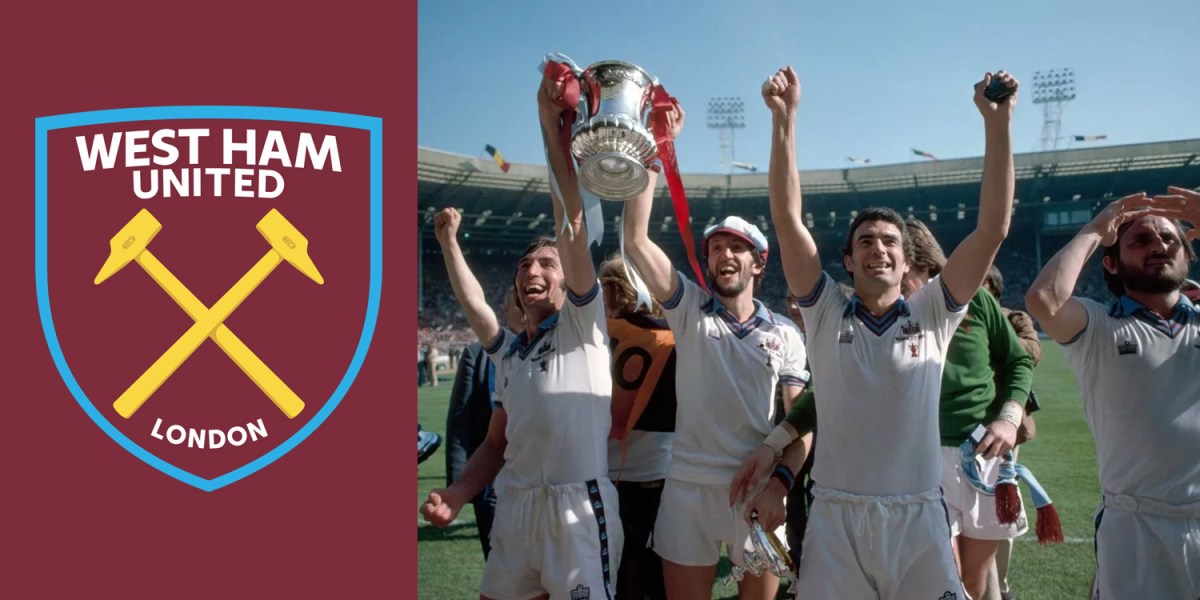
As the world’s oldest national football competition, the FA Cup still carries a unique historical and cultural significance. For most fans and clubs, winning the FA Cup is still a dream and a source of immense pride. How we’d love to repeat 1964, 1975 and 1980!

For lower-league and non-league teams, the FA Cup offers a rare chance to play on a big stage, secure financial windfalls, and create lifelong memories for their fans. These stories, like non-league teams reaching the later rounds, are the heart of the FA Cup’s enduring appeal. The competition still inspires passion, especially in local derbies or when underdog teams are involved. For many, the “magic” is now more selective, shining brightest in these moments rather than universally.

Some fans and commentators argue that the FA Cup’s “magic” is now a cliché, used to paper over the reality that the competition has lost some of its former glory. Others point out that the romance is still there, but it’s harder to find amid the dominance of elite clubs and commercial pressures. There is nostalgia for the days when the FA Cup final was the highlight of the football calendar, but also recognition that the competition still produces drama, upsets, and moments of pure football joy.

The FA Cup may not hold the universal magic and romance it once did, especially for top clubs and younger fans raised on the Premier League and Champions League. However, for smaller clubs, traditionalists, and those who cherish football’s unpredictability, the FA Cup still provides unforgettable moments and upsets that keep its spirit alive. The “magic” hasn’t disappeared, it’s just harder to find, and perhaps more precious when it appears.

There was a time when I was young when I would have been really excited by this third round game against Queens Park Rangers and hoping that we would still be in the draw for the fourth round that I would listen to on the radio on the following Monday lunchtime, another tradition that has disappeared. But this season has been such a miserable one that my interest is much diminished. In times gone by there was always a hope that we could win a few games and reach Wembley. This time around I would love us to do this but I reckon there is less chance of us going to Wembley than escaping relegation. But it is so long since we won a game that it would be good to beat QPR (even a weakened QPR with several players out injured and chasing a play-off position in the Championship) and perhaps give some of our fringe players a run out to show what they can do (or not!). I remain hopeful!  

Lost In The Wilderness: West Ham’s Hopes of Survival Hang By The Thinnest of Threads

Following Saturday’s pathetic effort in Wolverhampton, West Ham face a last chance saloon moment with the visit of fellow strugglers Nottingham Forest to the London Stadium. Is there any way back?

Imagine the scene, a climber slips while scaling a lonely mountainside. The safety of a ledge above is tantalisingly beyond reach. He looks down. A mocking wind howls while the drop into the abyss below is dizzying. The fibres of his rope have started to unravel. One strand, then another. He scrambles for a foothold causing pebbles to break free, rattling into the cavernous void beneath. He grabs desperately at the solitary plant that clings to the cliff face. Momentary relief. A trickle of dirt rains down onto his face and into his eyes. Slowly the earth around it creaks, cracks, and finally crumbles. Weak, fibrous roots are exposed. Small rocks begin to tumble as a prelude to the plant breaking loose entirely. Spinning away in pursuit of the falling stones.

The rope snaps taut with a vicious jolt. His body swinging helplessly against the cliff face. The only sound now is the strain of his exhausted lifeline. The more he struggles, the weaker it becomes. The situation is wretched. “Hang on a minute” he thinks, “I’ve got a great idea!”

Tune in again after Tuesday evening to see if our hero can survive.

***

West Ham’s supposed run of four winnable games over the festive period is not quite going to plan, is it? Where some of us imagined a season turning haul of seven to nine points, there is only one with the final match left to play – the ultimate six-pointer against Nottingham Forest. In fact, from a West Ham perspective, the game could be seen as a forty pointer. Failure to win pretty much guaranteeing that mythical survival threshold will not be reached.

Last week I wrote an obituary for West Ham even though I’d hoped it was recklessly premature. But Saturday at Wolverhampton served to underline that a miraculous rising from the dead was unlikely. All vital signs appeared to be extinguished. Relegation looks close to certain and who knows how many years in the wilderness that will lead to under our current stewardship.

The Hammer’s demise is no overnight incident. A situation I had previously described as a slow-motion car crash. But which was described far more succinctly by a comment on a previous post as a club built on shaky foundations on a cliff that was being slowly eroded from beneath. No-one had bothered to plan for the long term and now it was about to fall into the sea. It is a story with multiple villains.

From Moyes’ negligent insistence on maintaining a small, slow and ageing squad. Through Loppy’s whack-a-mole summer transfer window and unfathomable tactics. To Potter’s purging of any characters from the squad and his belief that strikers were surplus to requirements in his soporific style of play. Each constrained and controlled in the background by the invisible hand of puppet master, Dr Evil from Theydon Bois.

To some degree, Nuno is an innocent victim of this calamity. His was an inherited squad and was brought on board without being allowed his own coaching staff. Yet after 15 games in charge, he has failed to satisfy the basic mandate of a head coach: to make the best of what he’s got and mould a team which approaches every game with energy, spirit and determination. To add insult to injury, bizarre team selections and overly cautious substitutions have frittered away precious points that were ready and waiting to be banked.

The game at Molineux should have been approached as if it were a cup final. With Forest already beaten in the early kick-off, a win would have reduced the deficit to one point ahead of Tuesday’s showdown. Up against a side without a win all season, what greater motivation could there have been to register a statement performance?

But it didn’t happen. From the first of several early misplaced passes from Bowen, a sense of effortless lethargy engulfed the team. No spark, no effort, no conviction. The resilience that had been seen in coming from behind in earlier games went completely missing. At no time did there appear to be a way back into the game once the first goal went in.   

Leadership is clearly an issue at the club. Both in the dugout where Nuno looked a stunned and bewildered figure for much of the game; and on the pitch where team spirit was next to non-existent. Most of us know that Bowen only wears the armband through seniority, but leadership doesn’t have to start and end with the skipper. Everyone must have licence to stand up to inspire and motivate others either by words or deeds. It takes more than occasional high-fives whenever someone makes a last-minute tackle or interception. Unfortunately, the squad has been shorn of outspoken characters. There was a brief moment where we imagined leadership was a part of the big fee thrown at the Kilman transfer. Until it turned out these qualities were as flaky as his defending.

There have been too many ‘worst performances of the season’ to know whether Saturday truly represented a new all-time ‘low’. It was certainly a podium finish and a return to the team of strangers of early season where few came out with any credit – with the exception of Areola, who prevented the score from being even more embarrassing.

Summerville and Magassa had at least looked interested in the first half, but Summerville was again all sizzle and no sausage while Magassa was implicated in all three goals conceded. Fernandes looked confused and uninterested by his first half role and although he improved after the break, Wolves had already settled for their three-goal lead by then.

Scarles and Mayers both did OK. Both are in the early stages of their careers and hopefully there will be better times ahead for them. My main questionmark over our academy graduates is whether there is enough variety to their game. They are competent enough to receive the ball, control it and play a short onward pass the way they are facing. But does that cut it at the top level?

In truth, it is a deficiency that extends throughout the squad. Since the departure of Declan Rice, no-one has been capable of marauding forward with the ball at their feet. It adds unpredictability to attacks, creates space for others and commits defenders to rash challenges. A team which relies solely on passing is more easily countered by denying the space in front of them.

This brings me to a brief list of observed West Ham limitations when compared to more successful Premier League teams. Our main striker is always isolated with no-one close enough to feed from knockdowns or lay-offs. The front three themselves are too far apart and too few midfielders get into the penalty areas in support. The spaces between our banks of players are too great and too rigid – as if they are a table football team connected by metal rods. The backline drops too deep too quickly due to the absence of recovery pace – especially if Todibo is absent – allowing opponents to exploit the gaps that are left. Delivery from free-kicks, corners and throw-ins is poor. There is minimal threat from central defenders at set pieces who do attack the ball decisively enough in either box. Apart from that, everything is rosy.

I was one of the few who wasn’t too concerned by Nuno’s decision not to turn to Jesus (or Pablo Felipe) as the game progressed. Would it have made sense for a player who hadn’t trained and had just returned from injury to run around on his own for 15 minutes watching Tomas Soucek point at things?

I’m also not convinced that changing the manager again now will have any material effect on the season’s outcome. Having said that I am similarly unconvinced that Nuno would be the right man to bring us back up again. The right appointment in the summer – maybe Thomas Frank when he is sacked by Spurs – would be a more sensible way forward.

I wish I had enough belief left in the bank to expect the mother of all turnarounds tomorrow night. I know I shouldn’t venture into cynicism, but my big concern is the nature of Nuno’s deranged response to Saturday’s performance. I’m already imagining the groan that will be heard from space when Kilman and Soucek are announced in the starting eleven. COYI!

Relegation Showdown: Will Wolves Whip Up A Win or Will the Hammers Happily Hammer Home the Headlines and Head Home With The Precious Points

At Molineux’s ground, the tension will rise
Wolves and West Ham, both chasing the prize
The table looks grim for the Old Gold pack
Winless at home, with defenders pulled back.

Rob Edwards’ Wolves, at the foot of the league
Have struggled for points, they’ve shown their fatigue
Injuries, suspensions their squad’s looking thin
But hope springs anew when the Hammers roll in.

West Ham aren’t flying, we’re gasping for air
Away days bring trouble, our victories are rare
Nuno’s men, hungry, will look to attack
Who will join Bowen leading the pack?

Both teams have struggled to keep the back tight
Goals at both ends could light up the night
A draw seems likely, with goals at each end
But a single bright moment could see fortunes bend.

So gather your scarves and ready your beer
For Wolves v West Ham is so nearly here
A battle for points, for hope and for pride
Who’ll climb from the bottom? There’s no place to hide.

A few years ago Wolves won four on the spin
But just three from the last ten, they’re desperate to win
Last April Wolves triumphed, a one-nil delight
Can they light up the stands on this Saturday night?

West Ham at Molineux have found it quite tough
Five losses from seven; those fixtures were rough!
But two April victories (2021 and 2024),
just two wins that’s right!
Can the Hammers strike gold on this Saturday night?